Fugu: Japan's Deadly Delicacy (and Where to Brave It)
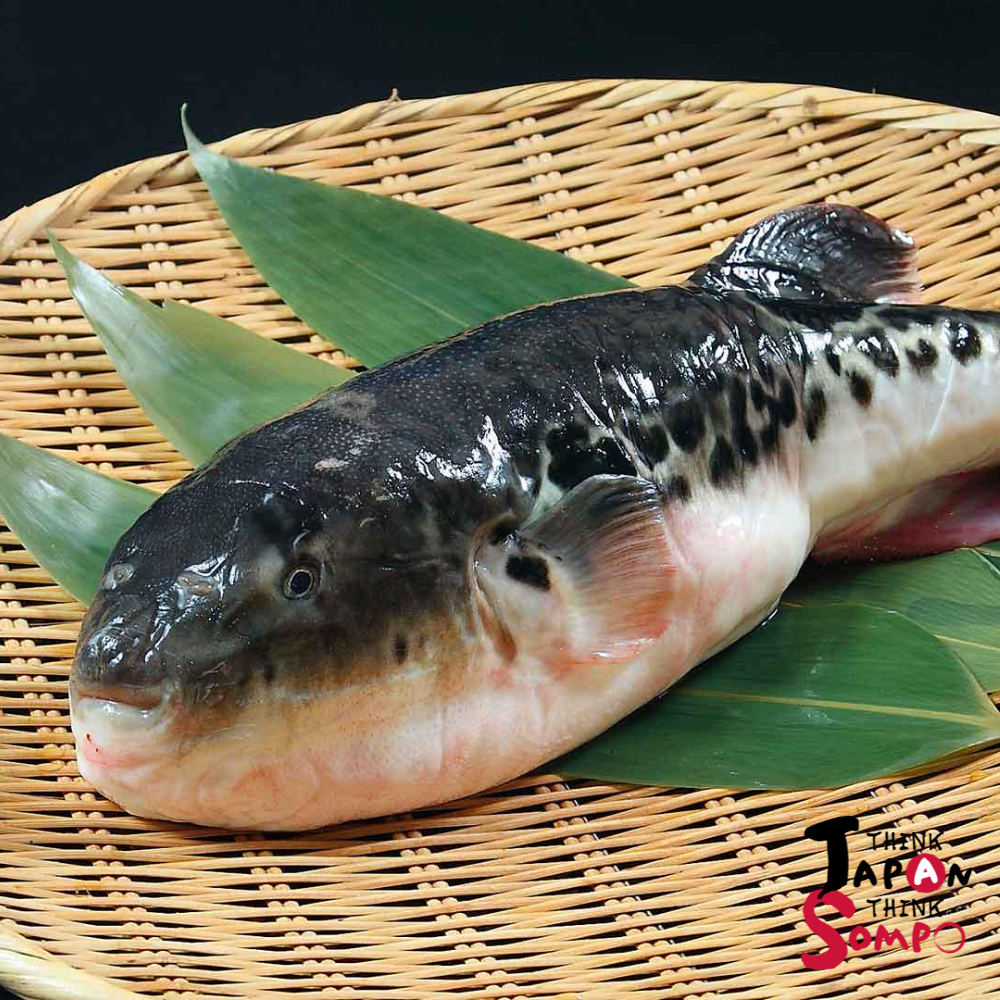
Japan is renowned for its culinary artistry, from the delicate precision of sushi to the comforting warmth of ramen. But for the adventurous eater seeking a truly unique and high-stakes gastronomic experience, there's one dish that stands alone. Fugu, or pufferfish. This isn't just an exotic delicacy, it's a testament to centuries of culinary tradition, meticulous preparation, and a dance with danger that can only be found within Japan's borders.
A Taste of Danger: The Allure of Fugu
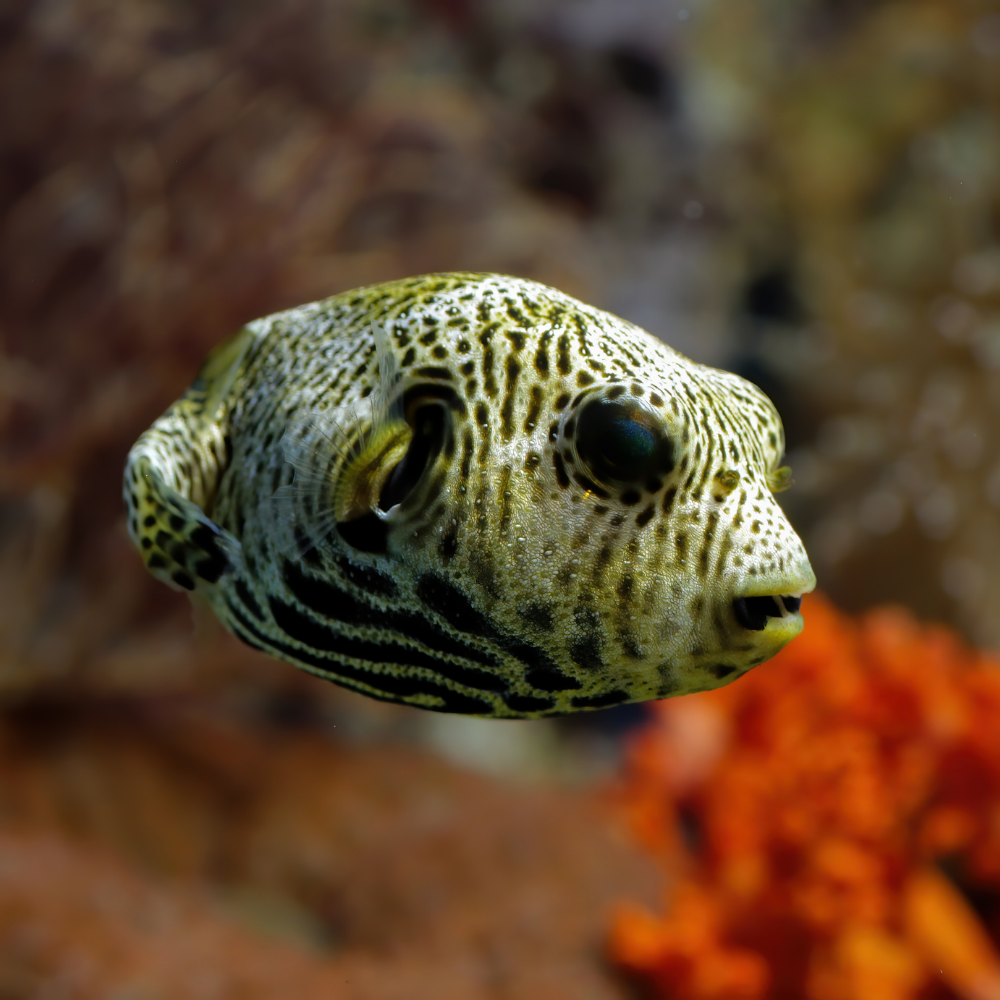
What makes fugu so exclusive, and frankly, so thrilling? The answer lies in its deadly secret: tetrodotoxin. This potent neurotoxin, found primarily in the fugu's liver, ovaries, and intestines, is exponentially more lethal than cyanide and has no known antidote. Despite this terrifying fact, fugu has been a part of Japanese cuisine for centuries, with archaeological evidence suggesting its consumption dates back over 2,000 years during the Jomon period.
The allure of fugu isn't just about the thrill; it's also about its unique, subtle flavour and delicate texture. Connoisseurs describe a clean, almost ethereal taste, often accompanied by a slight tingling sensation on the lips and tongue, a gentle reminder of the potent toxins that have been carefully removed. This sensation, known as shibire, is what many fugu enthusiasts seek, a delicate balance between pleasure and peril.
A Taste of Danger: The Allure of Fugu
The preparation of fugu is not for the faint of heart, nor for the untrained. In Japan, fugu chefs undergo rigorous training, often for several years, to obtain a special license. This training involves not only mastering the intricate butchering techniques required to precisely remove the toxic organs without contaminating the edible flesh, but also a deep understanding of fugu anatomy and toxicology. Each licensed chef displays their credentials with pride, a crucial assurance for diners.
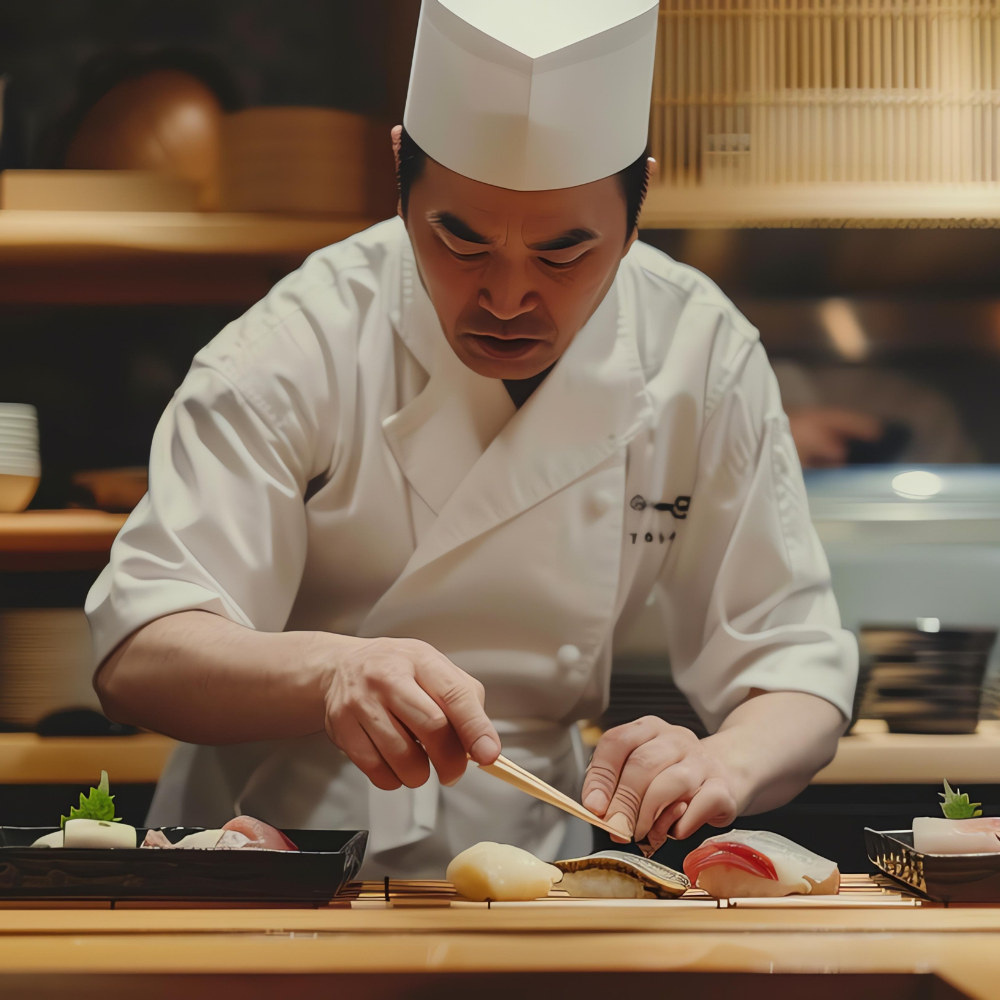
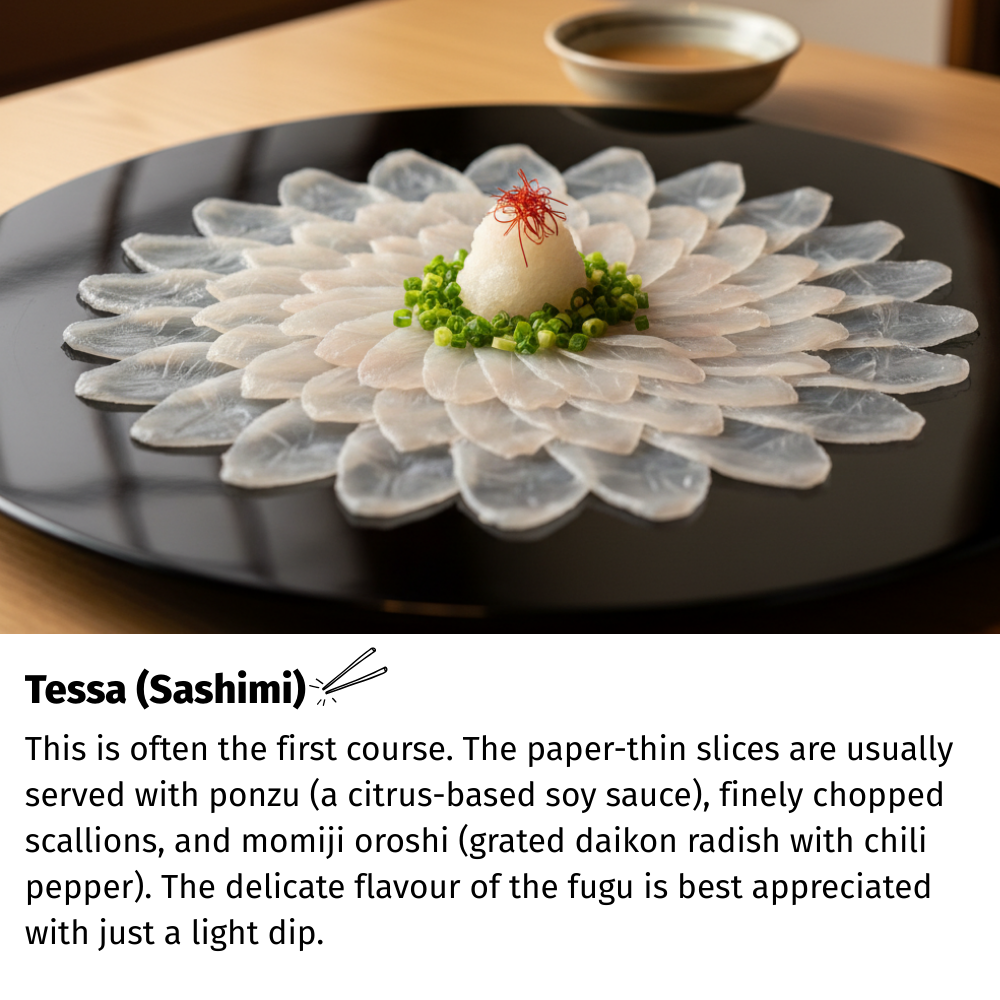
The meticulous process involves carefully separating the poisonous parts, washing the edible flesh thoroughly, and then often presenting it in various ways. The most common preparation is fugu sashimi (also known as tessa), where the translucent slices of fish are arranged in a beautiful, often chrysanthemum-like pattern.
Where to Brave the Bite: Top Fugu Destinations
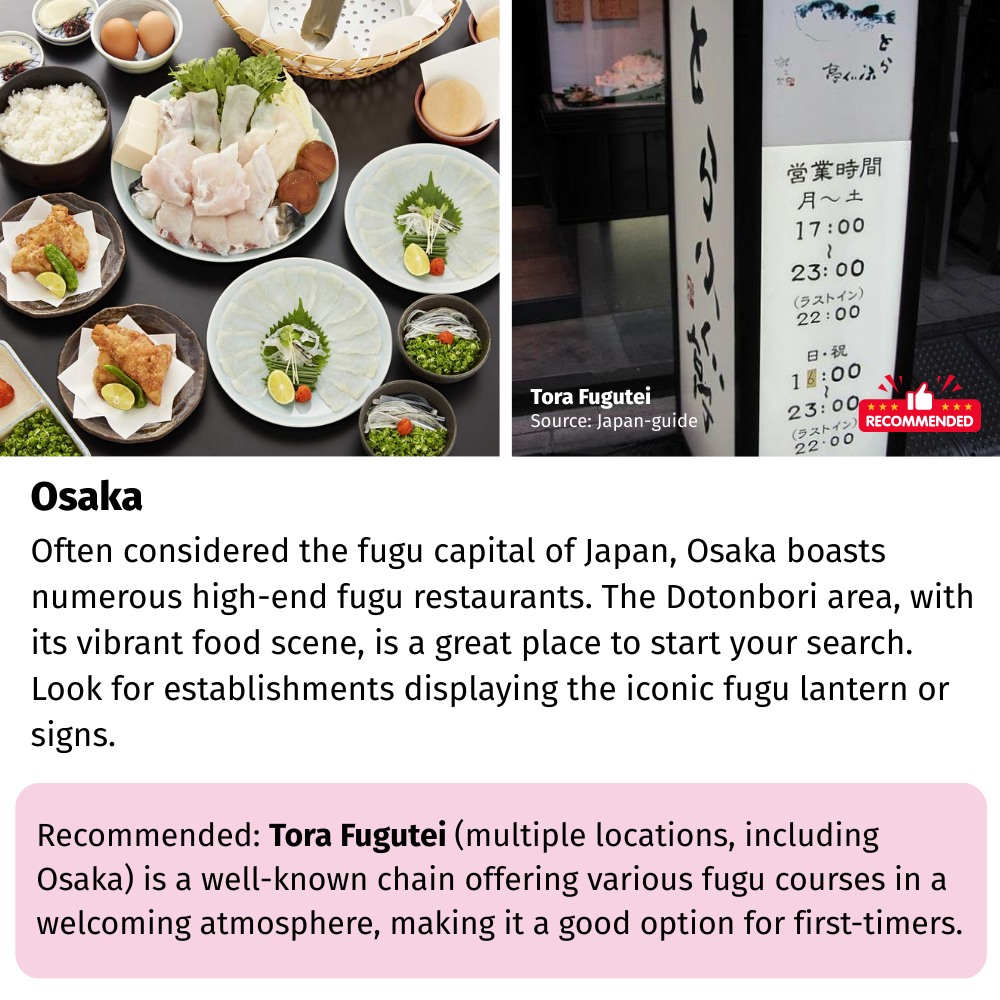
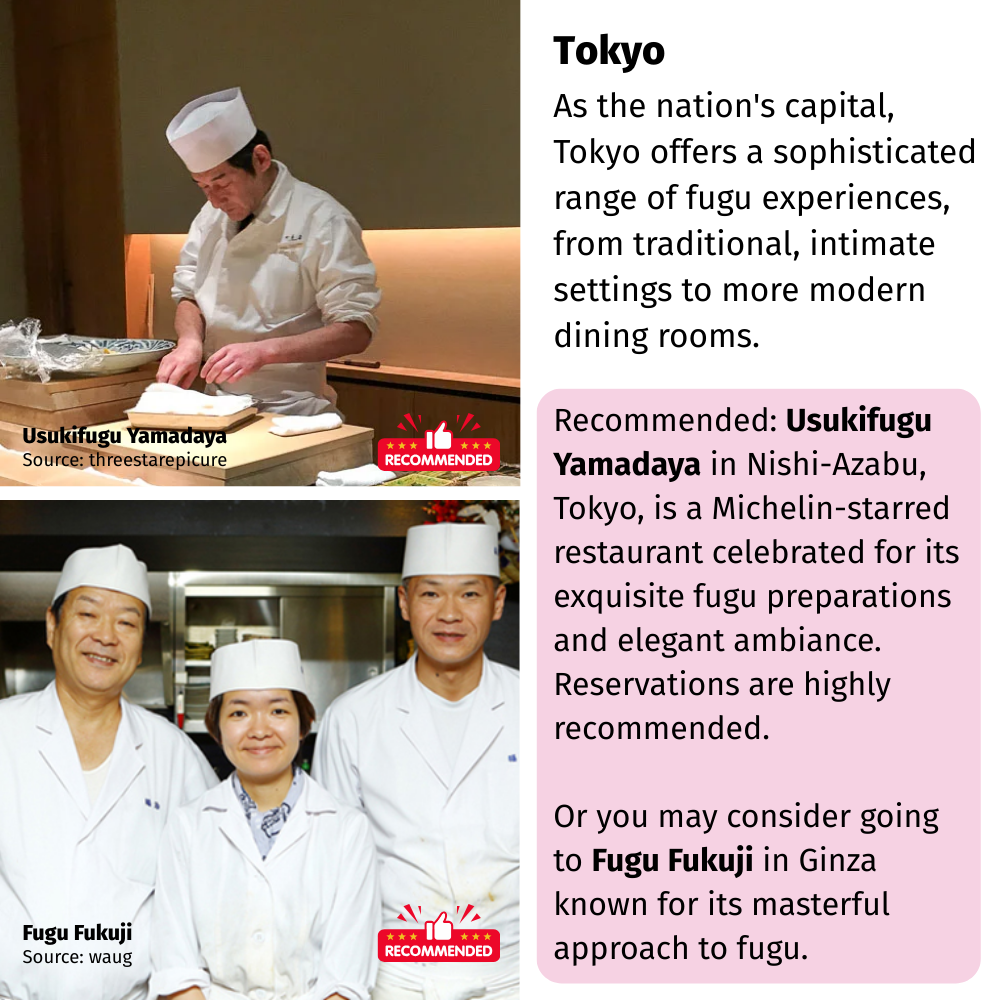
While fugu can be found in specialised restaurants across Japan, certain cities and establishments are particularly renowned for their expertise in serving this delicacy. Due to strict regulations, fugu can only be prepared and served by licensed chefs, making Japan the only place in the world where you can safely (and legally) experience this unique dish.
How to Eat Fugu: A Cullinary Ritual
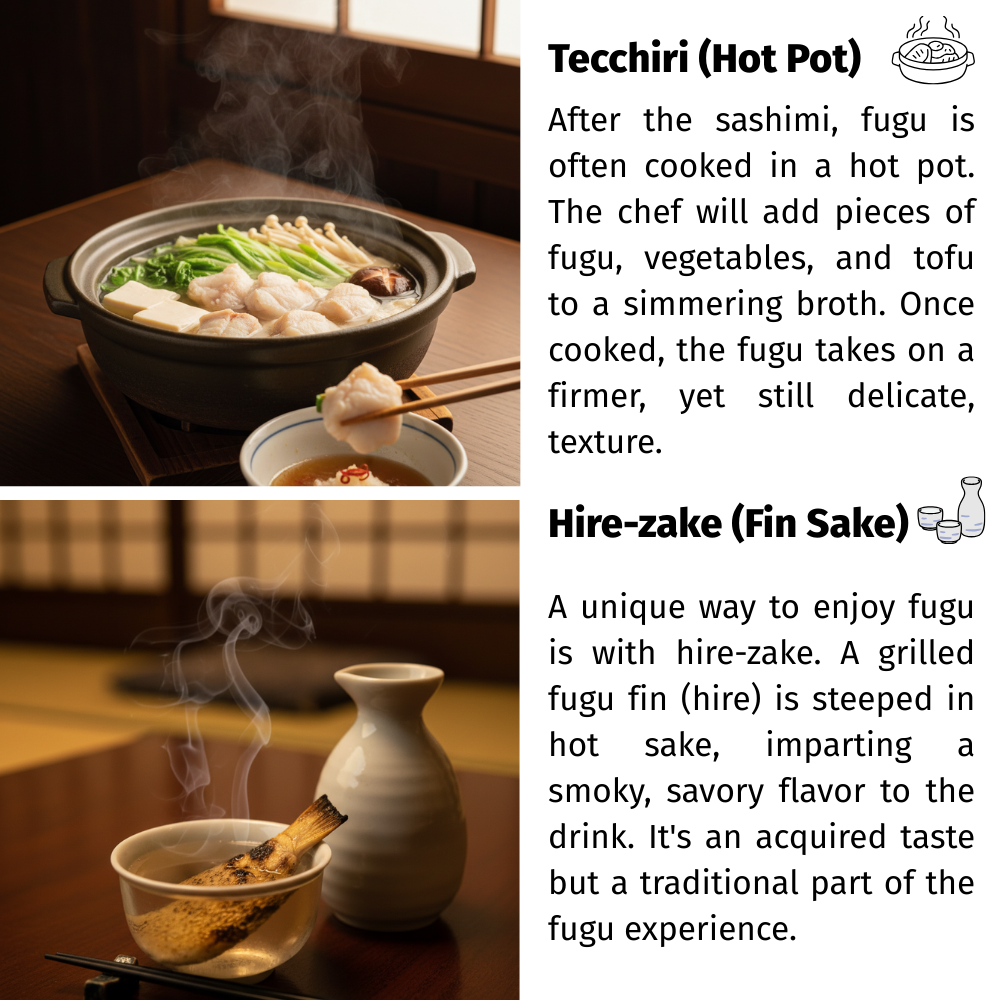
Eating fugu is a multi-course experience, allowing you to savour the fish in different preparations.