


Opportunity knocks for marine insurers, Sompo’s Dave Ong says, as tariffs redraw Asia’s intra-trade landscape
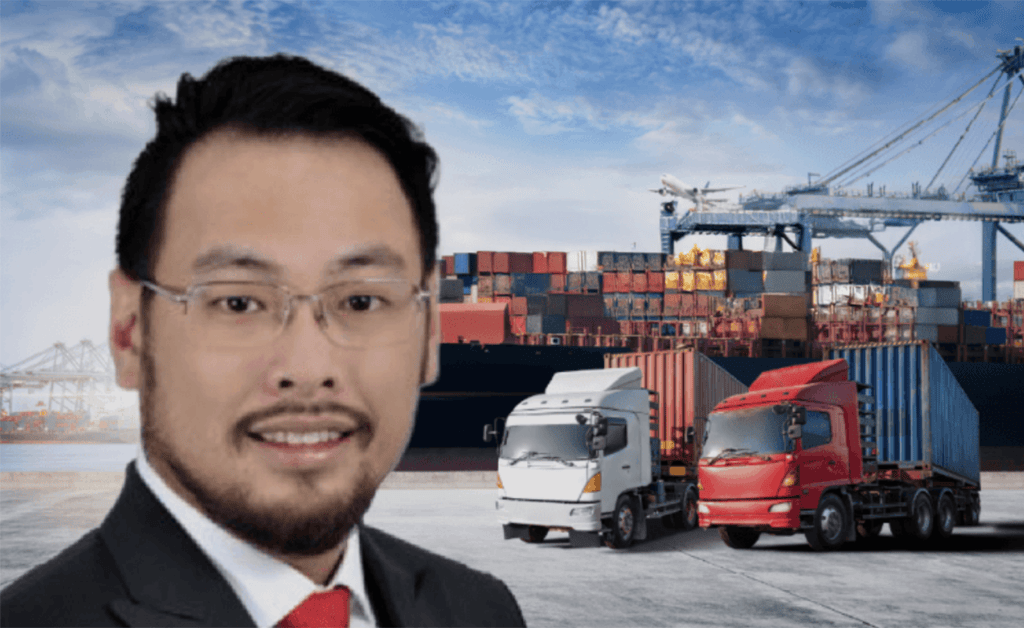
The Asia Pacific marine market stands to benefit from the tariff regime rolled out by the Trump administration in the US, as well as supply chain disruptions, as intra-Asia trade is growing significantly faster, according to Dave Ong, Sompo’s head of marine and aviation for APAC.
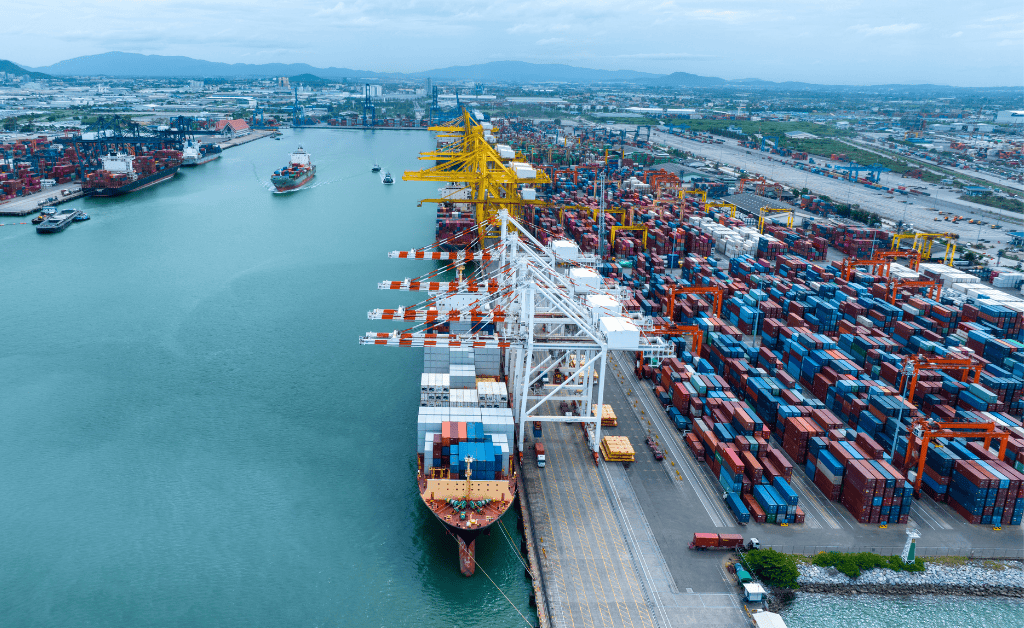
Businesses are diversifying the markets where they have manufacturing facilities and supply chains are evolving from China-plus-one to China-plus-many as hedge against over reliance on one specific geographical exposure, Ong said.
During the Covid-19 pandemic, companies had diversified beyond China to other countries, while still maintaining some presence in China. However, after Donald Trump’s tariffs impacted multiple regional trading partners, companies are adopting a multi-shoring strategy to mitigate the risks of unforeseen events.
“They will diversify the markets where they have manufacturing facilities, which will be a permanently change,” Ong said. “We’ve also observed clients are moving up the value chain by expanding into higher value proposition, which will either evolve the existing operations to be much more sophisticated, or they may relocate. “This is further complicating the supply chain and potentially benefits intra-Asia shipping.”
Asian economies and the middle class are also growing exponentially, which brings more opportunities.
“The question is how do we capture the growth,” said Ong, who joined the Japanese group last year. “There are some fundamental changes that we are executing in the local teams. We are looking to further strengthen the underwriting resource in each of the countries, which is a slightly different model from the past.”
“We are physically present in most of the key markets in Asia and it’s really about building all of them together. We engage countries in terms of setting the general tone and direction of our product growth. The teams on the ground have an understanding and appreciation of each country’s uniqueness, its nuances, and how the business culture is different.”
"Diversifying into the non-Japanese and the international open market business, brings more balance to a portfolio. Our vision is to be a truly international carrier of Asian origin."
Dave Ong, Sompo
However, Ong said that the goal is to expand Sompo’s non-Japanese or international open market business in the region. “The Japanese business is a strong foundation and it’s something that we are still very keen on and we are growing that as well,” he said.
“Diversifying into the non-Japanese and the international open market business, brings more balance to a portfolio. Our vision is to be a truly international carrier of Asian origin.”
In Asia Pacific, Sompo operates across 13 markets and has a marine team of around 30 people with a regional hub in Singapore as it offers all three major class of marine insurance – cargo, hull and marine liability. Cargo includes logistics, with war, ship construction and builders’ risk products part of Sompo’s hull offering, while within marine liability, it offers ship repairers’ liability, ports and terminals.
“Having all three classes from a solution provision perspective is comprehensive, but also from a portfolio management perspective, it’s about balancing and having diversity,” Ong said.
Pricing and strategy
It is not all smooth sailing for marine insurers in the region, and Ong said that, generally speaking, there is definite price pressures from increasing capacity. “There is some additional capacity coming into the market, but it’s not a broad brush,” said Ong, adding that what the capacity is for differs.
It is not just MGAs, and Ong said some of its peers and existing markets are looking to accelerate their growth by bringing more capacity. However, there is a divergence in where it becomes more competitive and where it is still manageable.
"Within each class, there's still a distinction - vanilla risks definitely have more severe pricing pressures because it's cleaner, less volatile and simpler business."
Dave Ong, Sompo
Select classes and types of risks, and high excess layers are seeing more supply, he said. “Within each class, there’s still a distinction – vanilla risks definitely have more severe pricing pressures because it’s cleaner, less volatile and simpler business,” he added.
“Whereas when you go into the much more complex cargo business, for example, stock throughputs, accumulation risks and cat exposures still temper the pricing pressure. The market still recognises that these exposures exist and continue to exist.”
Sompo, Ong said, is trading “more on the ground level compared to the excess layers”, where there is less pricing pressure.
Additional capacity is not always unwelcome, he explained, as the market may require it as some of the limits are going up.
“Cargo types are evolving, so values are getting bigger alongside accumulation due to the supply chains disruptions. Trade flow faces bottleneck sometimes, which requires enhanced and static exposure cover,” he said.
Evolving risks
Meanwhile, the market continues to face increasing set of emerging and evolving risks.
Apart from supply chain disruptions, Ong noted that fundamentally, some of the supply chain routes are changing permanently. Rerouting from Red Sea does not mean less risks, but it means different risks, he noted, amid the ongoing threat from Houthi attacks on commercial vessels, which have forced some shipping companies to sail around the Cape of Good Hope in southern Africa.
“That will have an impact on historical pricing approaches, pricing assessments, underwriting assessments,” he said.
“That will have an impact on historical pricing approaches, pricing assessments, underwriting assessments,” he said. Increasing cat losses and new risks, such as EVs, green shipping as well as container fires and claims inflation, are also other challenges facing the market.
This article was first published in Insurance Asia News on 22 September 2025. Republished with permission.